Good things
grow together.
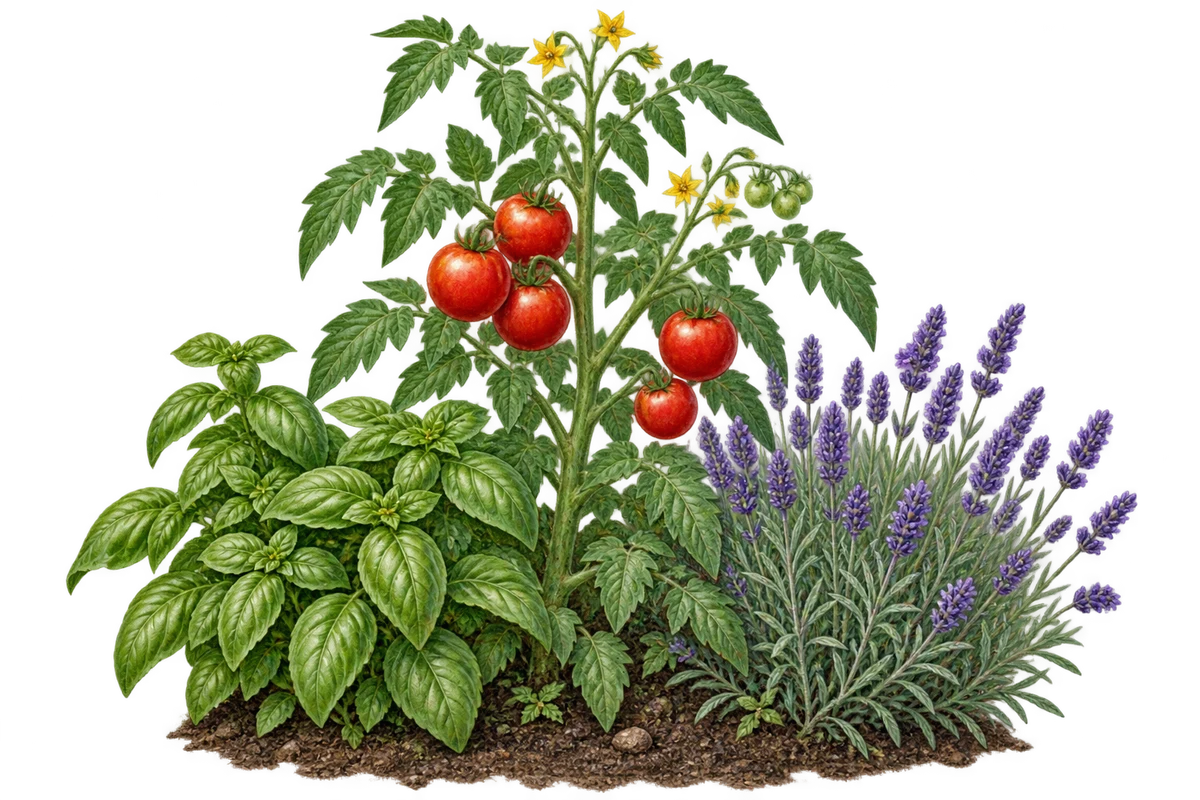
A bed starts with one plant. Find its perfect growing company.
Find a little green you love.


Basil
Ocimum basilicum
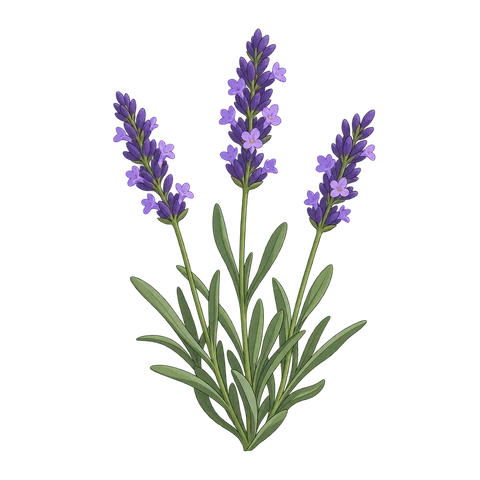
Lavender
Lavandula angustifolia
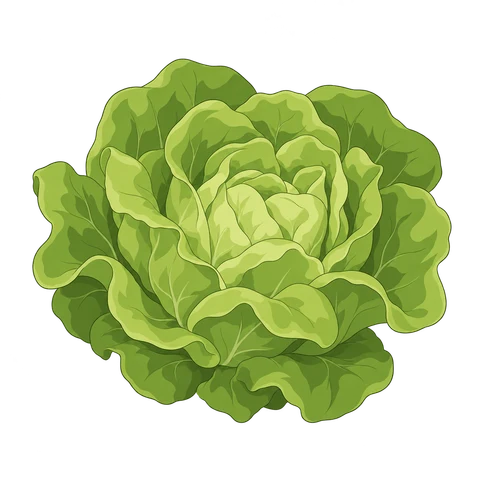
Lettuce
Lactuca sativa
Strawberry
Fragaria × ananassa
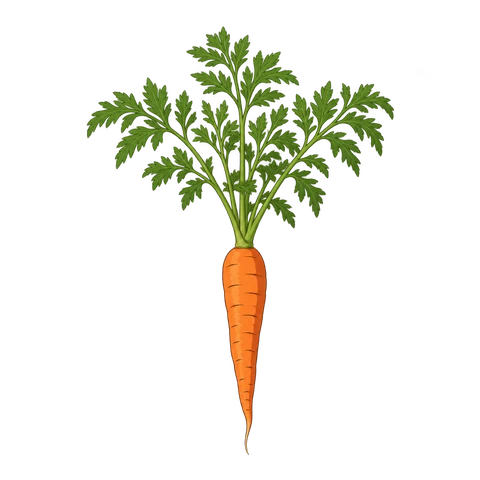
Carrot
Daucus carota subsp. sativus
Chives
Allium schoenoprasum
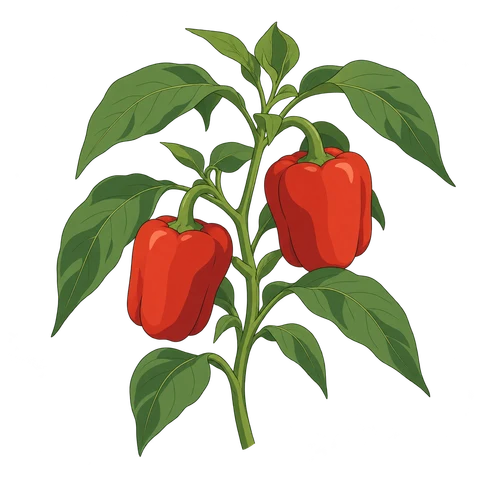
Bell pepper
Capsicum annuum
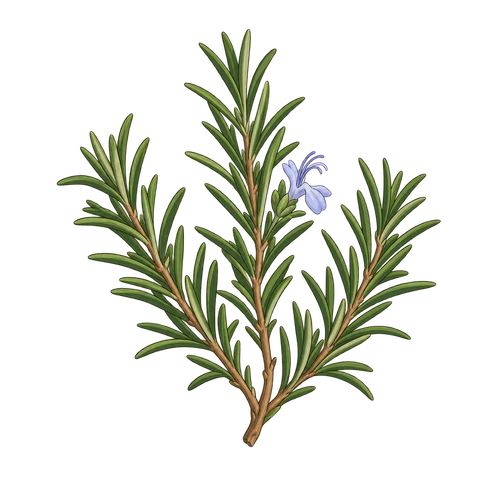
Rosemary
Salvia rosmarinus
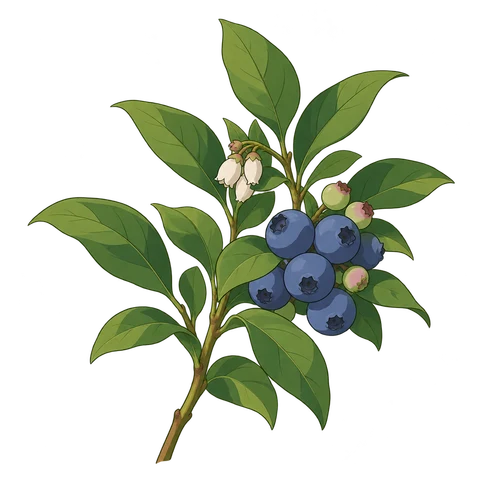
Blueberry
Vaccinium corymbosum
Sunflower
Helianthus annuus
Thyme
Thymus vulgaris
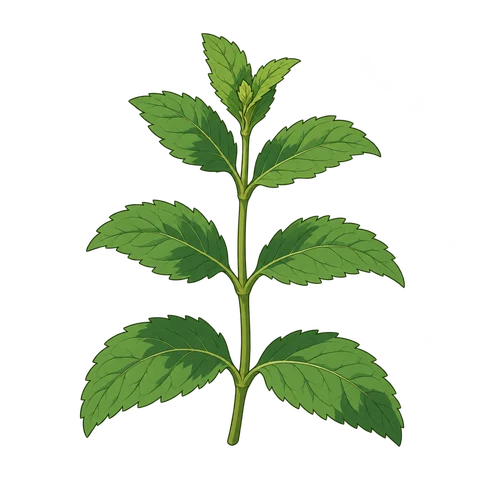
Mint
Mentha spicata
Parsley
Petroselinum crispum
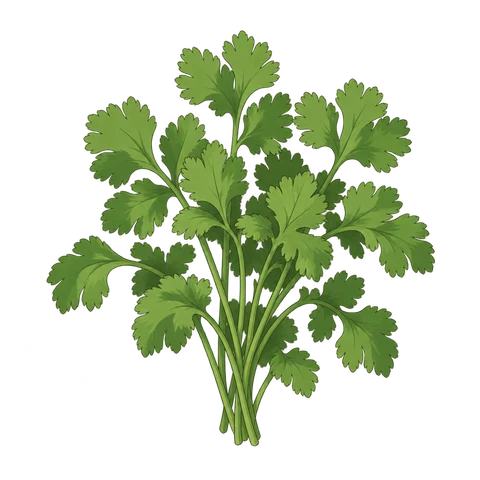
Cilantro
Coriandrum sativum
Dill
Anethum graveolens
Sage
Salvia officinalis
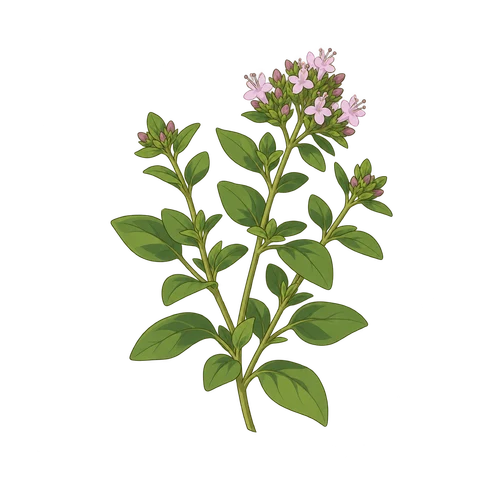
Oregano
Origanum vulgare
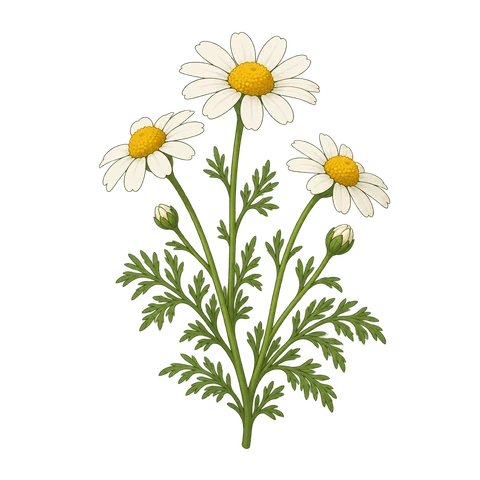
Chamomile
Matricaria chamomilla
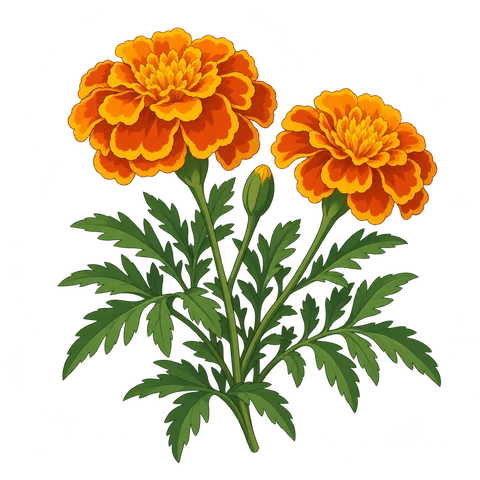
Marigold
Tagetes patula
Nasturtium
Tropaeolum majus
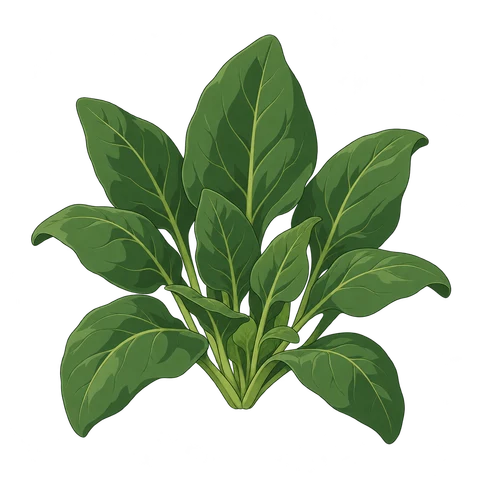
Spinach
Spinacia oleracea
Radish
Raphanus sativus
Beetroot
Beta vulgaris
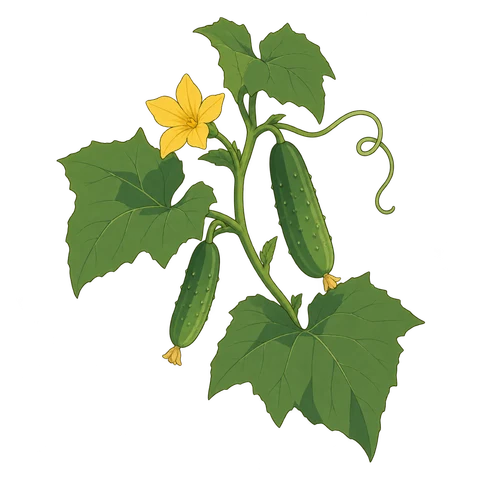
Cucumber
Cucumis sativus
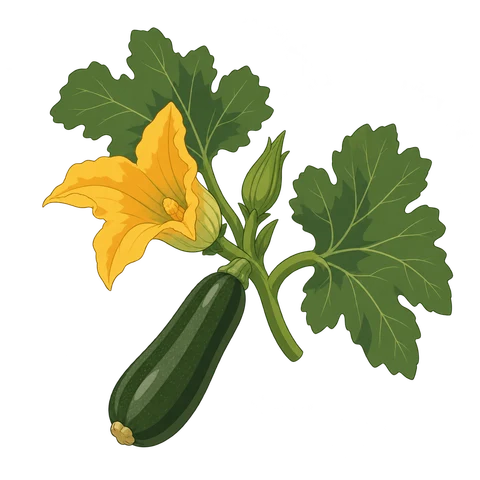
Zucchini
Cucurbita pepo
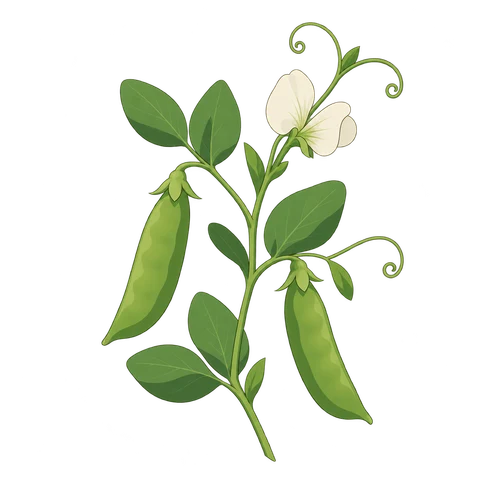
Pea
Pisum sativum
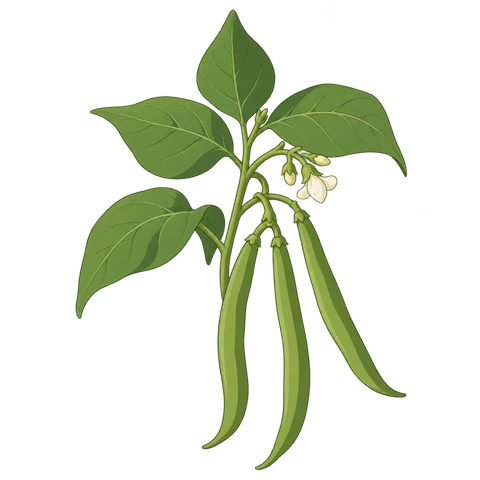
Green bean
Phaseolus vulgaris
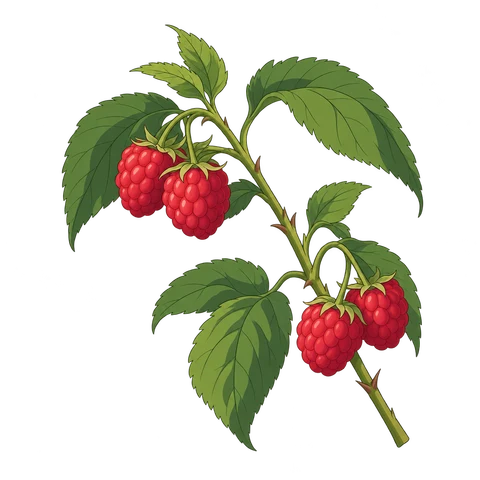
Raspberry
Rubus idaeus
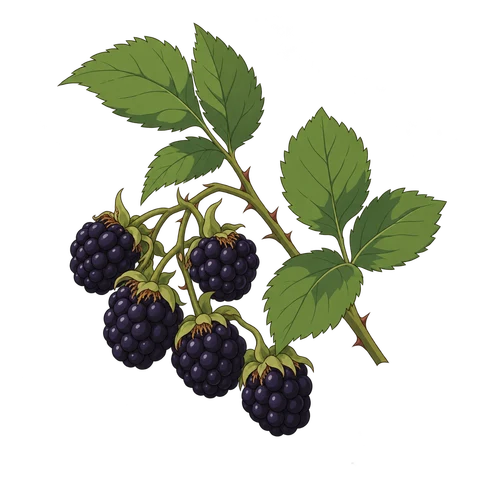
Blackberry
Rubus spp.
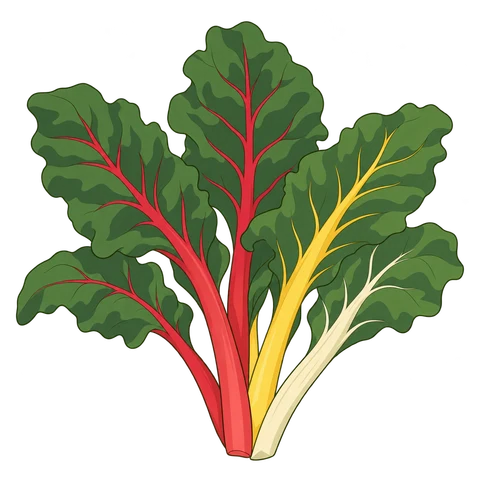
Swiss chard
Beta vulgaris (Cicla Group)
Rocket
Eruca vesicaria subsp. sativa
Kohlrabi
Brassica oleracea (Gongylodes Group)
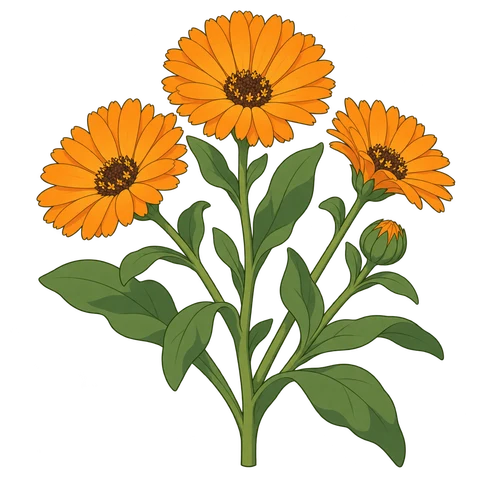
Calendula
Calendula officinalis
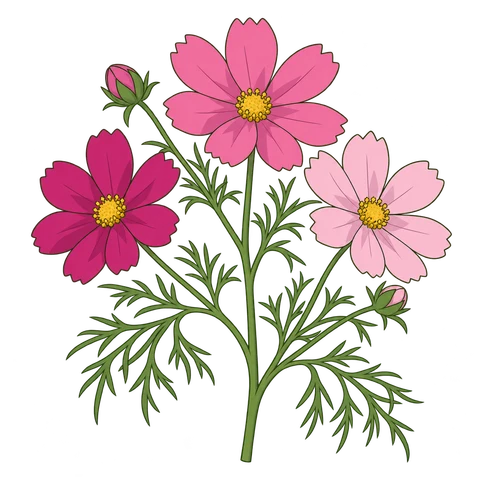
Cosmos
Cosmos bipinnatus
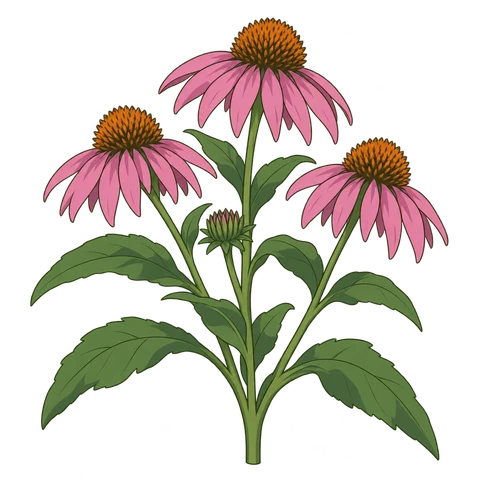
Purple coneflower
Echinacea purpurea
Redcurrant
Ribes rubrum
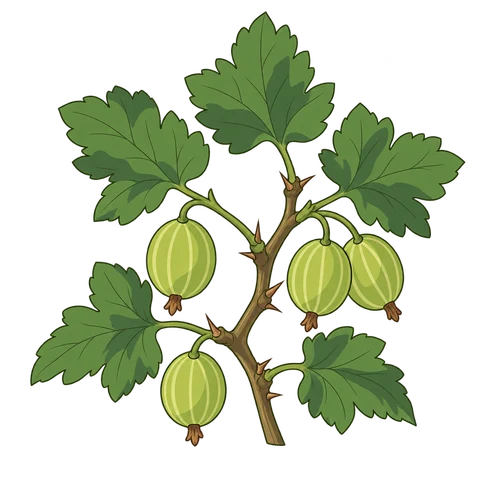
Gooseberry
Ribes uva-crispa
Spring onion
Allium cepa
Garlic
Allium sativum
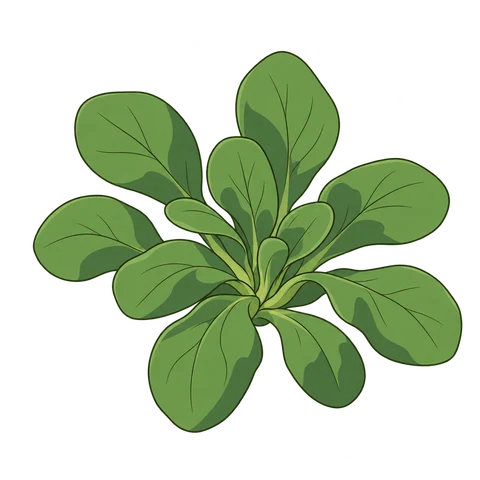
Lamb's lettuce
Valerianella locusta
Pak choi
Brassica rapa (Chinensis Group)
Lemon balm
Melissa officinalis
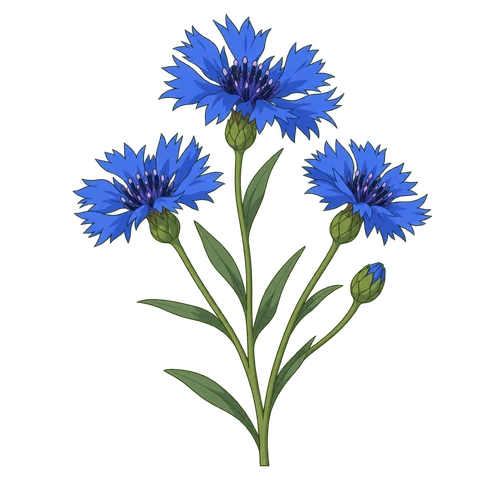
Cornflower
Centaurea cyanus
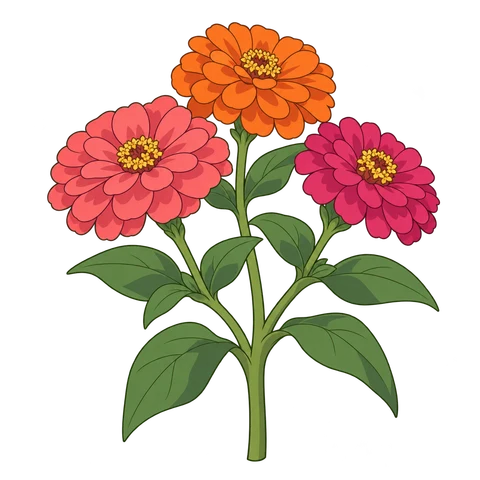
Zinnia
Zinnia elegans
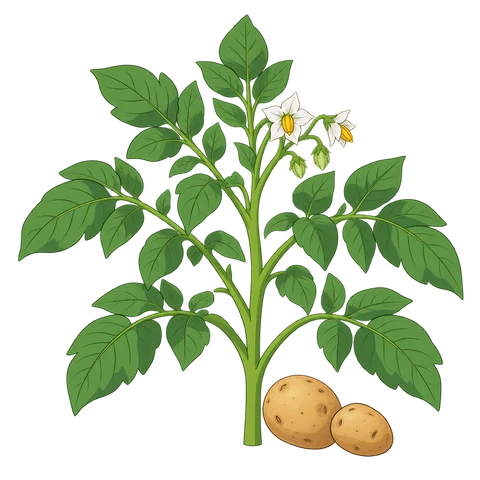
Potato
Solanum tuberosum
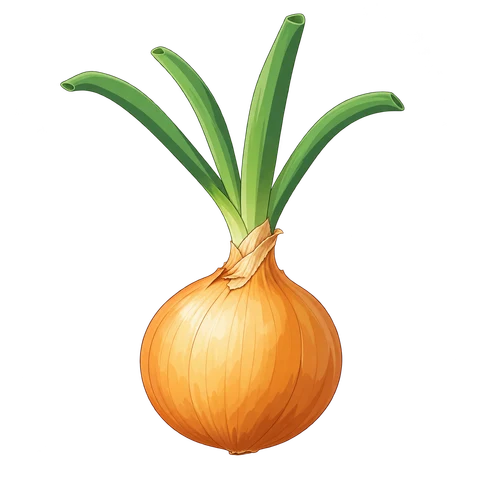
Onion
Allium cepa
Leek
Allium ampeloprasum (Porrum Group)
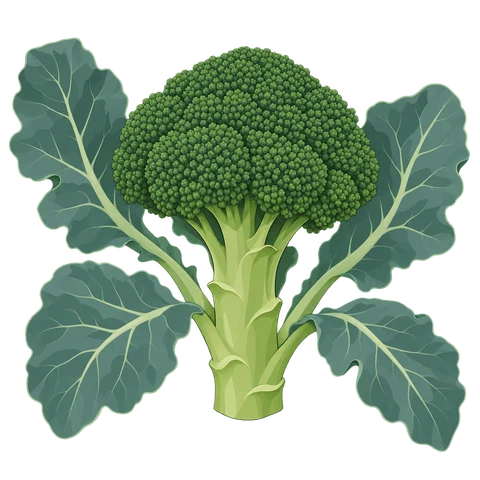
Broccoli
Brassica oleracea (Italica Group)
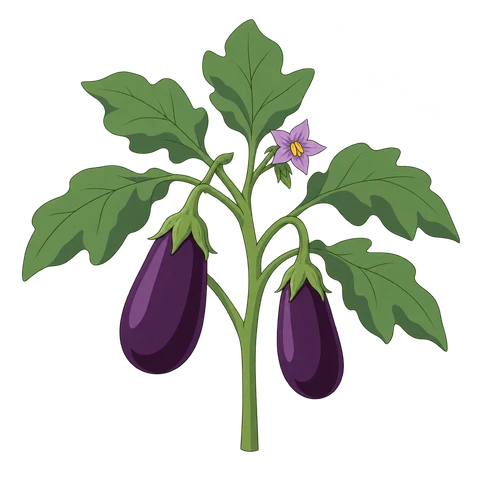
Aubergine
Solanum melongena
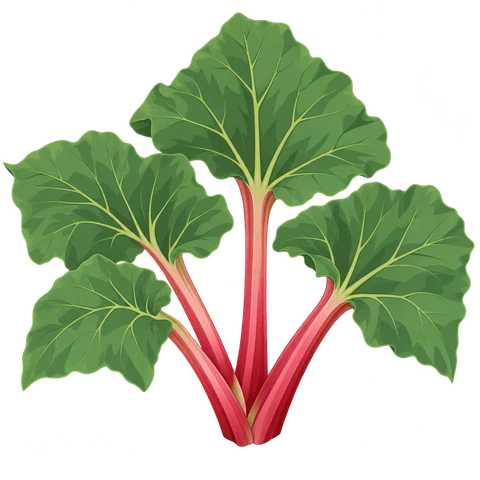
Rhubarb
Rheum × hybridum
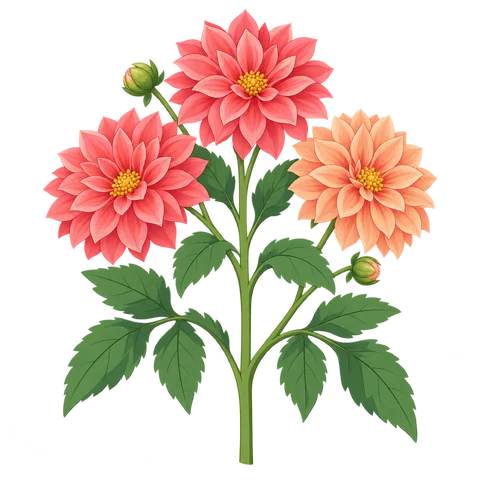
Dahlia
Dahlia (garden hybrids)
Cranesbill
Geranium sanguineum
Hokkaido pumpkin
Cucurbita maxima 'Uchiki Kuri'
Kale
Brassica oleracea (Sabellica Group)
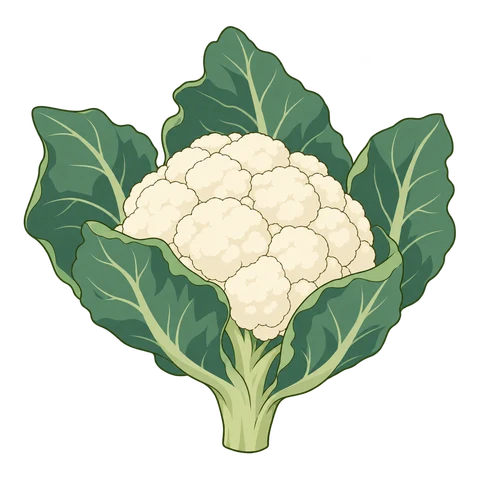
Cauliflower
Brassica oleracea (Botrytis Group)
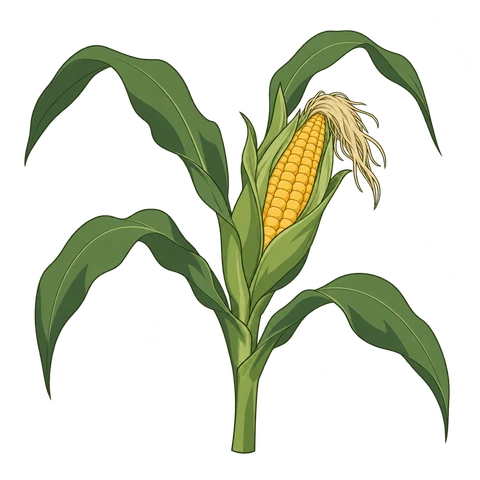
Sweetcorn
Zea mays (Sweetcorn Group)
Celeriac
Apium graveolens (Rapaceum Group)
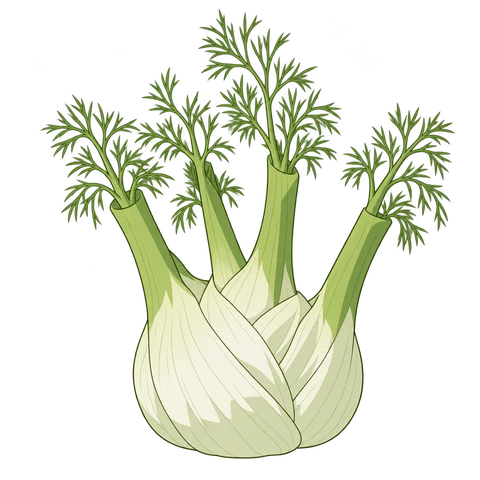
Florence fennel
Foeniculum vulgare (Azoricum Group)
Lovage
Levisticum officinale
French tarragon
Artemisia dracunculus 'Sativa'
White cabbage
Brassica oleracea (Capitata Group)
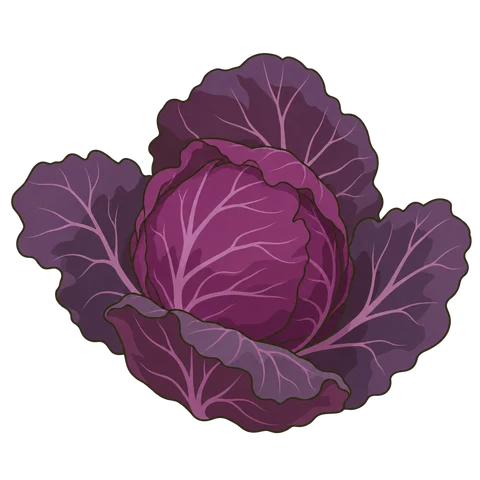
Red cabbage
Brassica oleracea (Capitata Group)
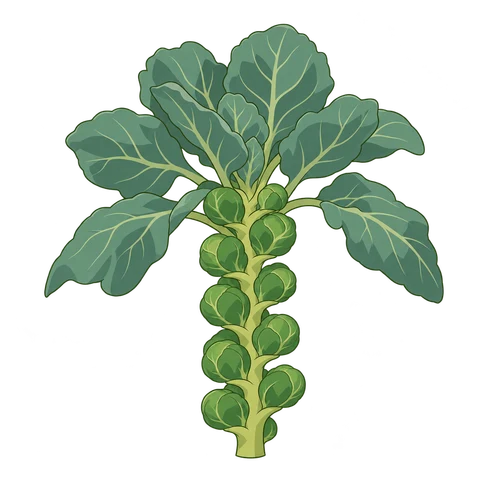
Brussels sprouts
Brassica oleracea (Gemmifera Group)
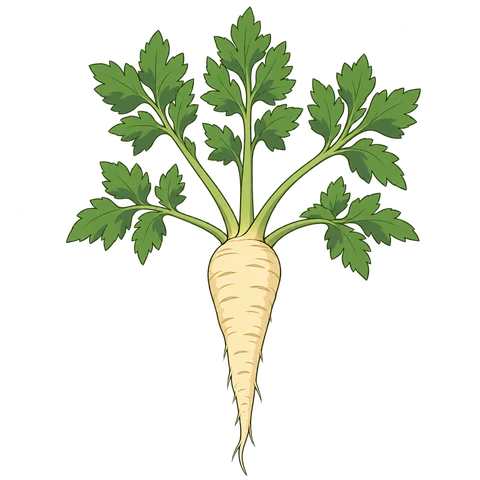
Parsnip
Pastinaca sativa
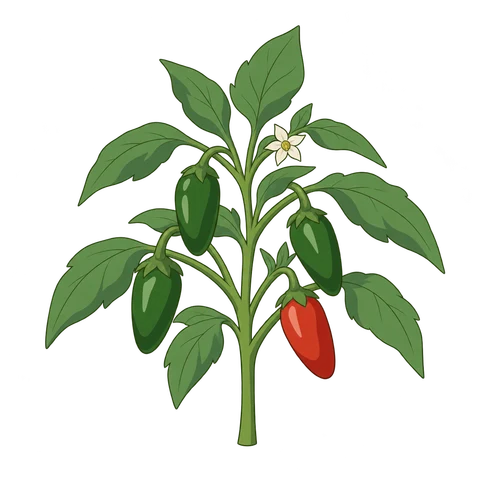
Jalapeño chilli
Capsicum annuum 'Jalapeño'
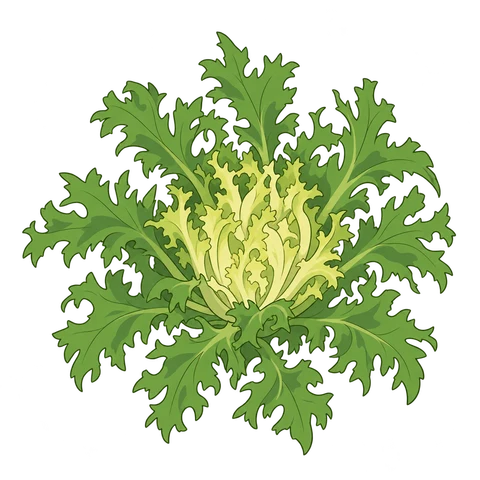
Curly endive
Cichorium endivia (Crispum Group)
Borage
Borago officinalis
Garlic chives
Allium tuberosum
Broad bean
Vicia faba
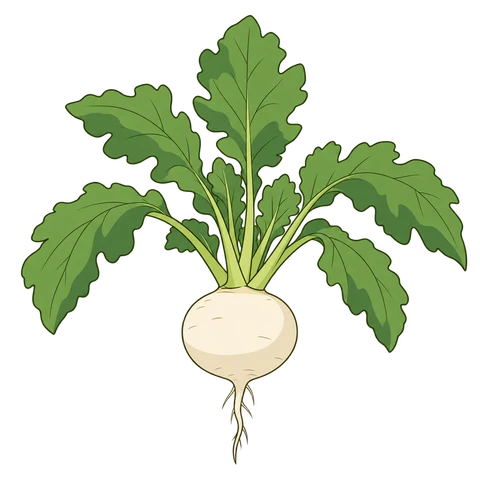
Early turnip
Brassica rapa (Rapifera Group)
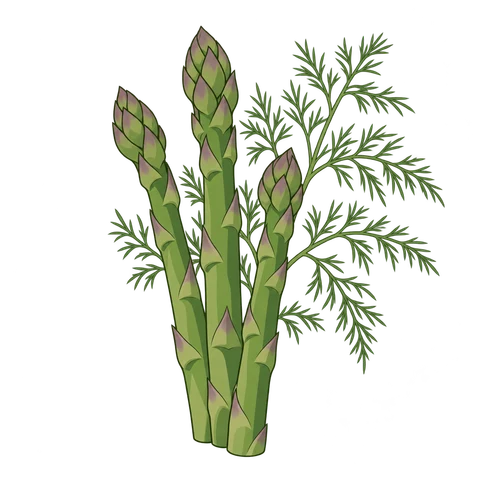
Asparagus
Asparagus officinalis
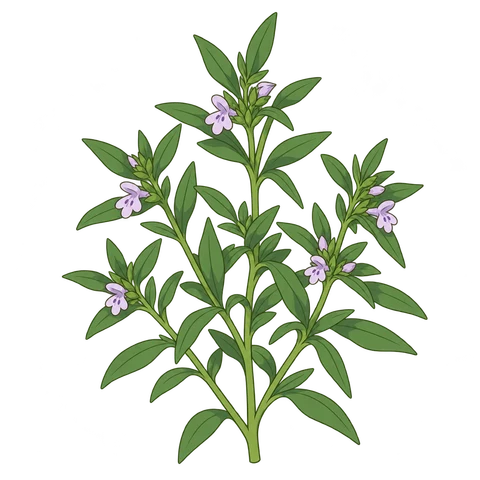
Summer savory
Satureja hortensis
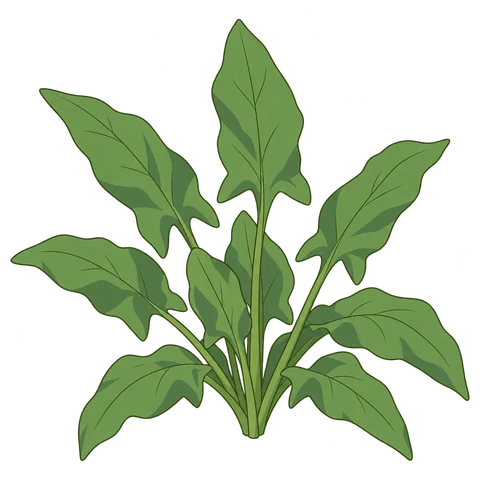
Sorrel
Rumex acetosa
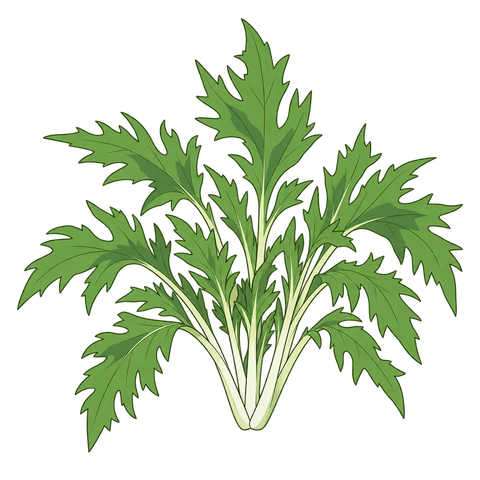
Mizuna
Brassica rapa subsp. nipposinica var. laciniata
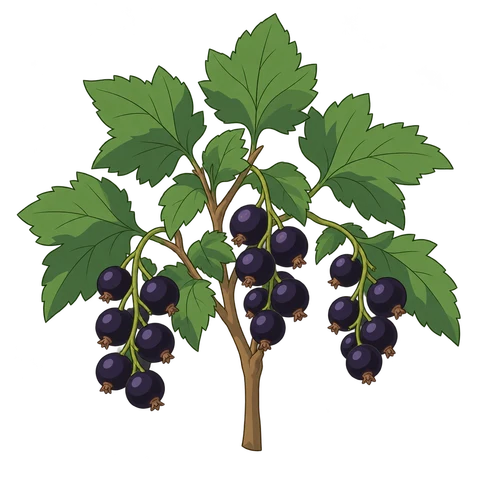
Blackcurrant
Ribes nigrum
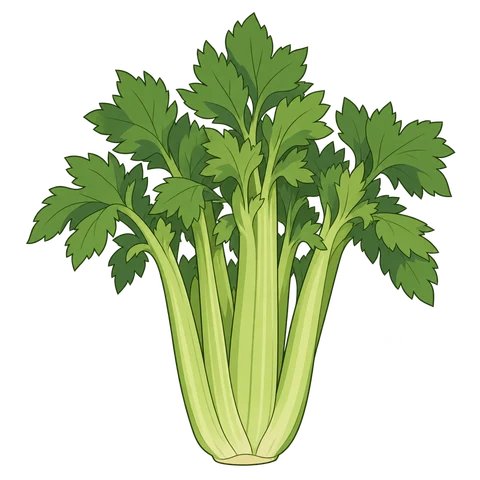
Stalk celery
Apium graveolens (Dulce Group)
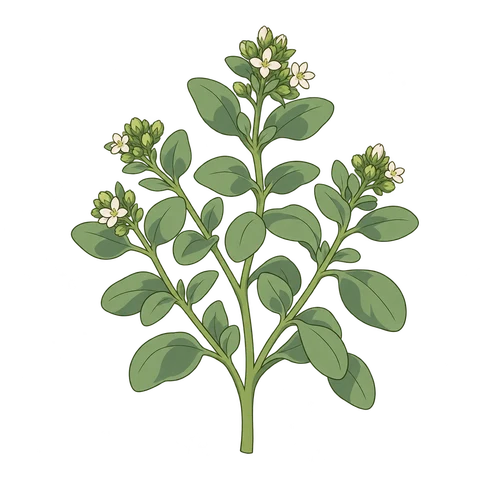
Sweet marjoram
Origanum majorana
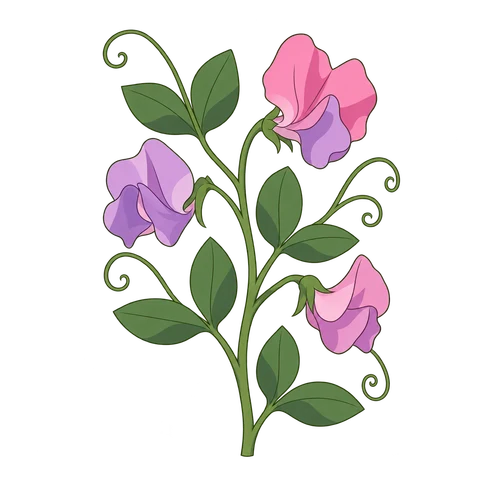
Sweet pea
Lathyrus odoratus
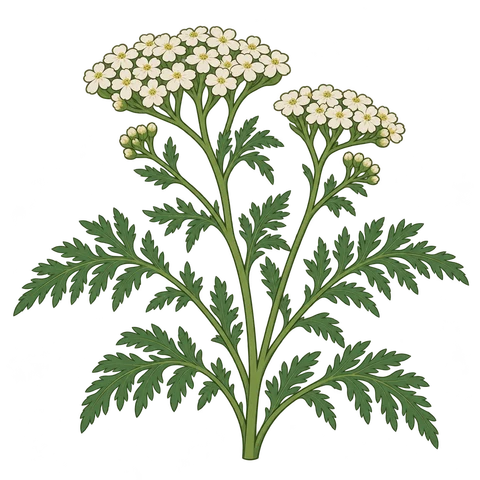
Yarrow
Achillea millefolium
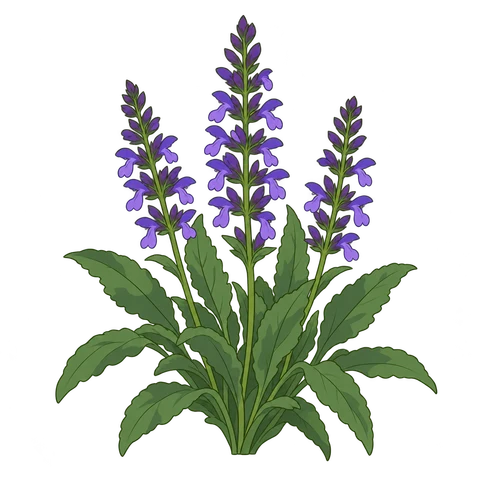
Woodland sage
Salvia nemorosa
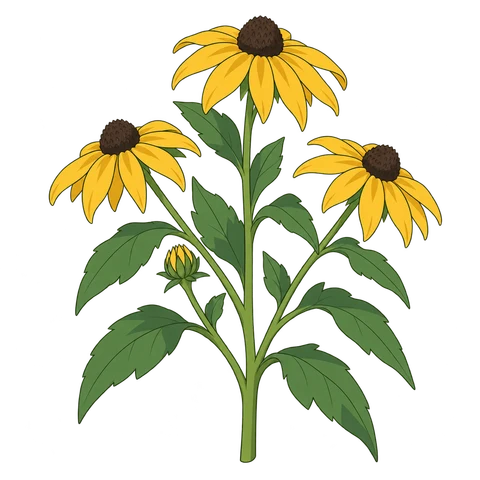
Orange coneflower
Rudbeckia fulgida
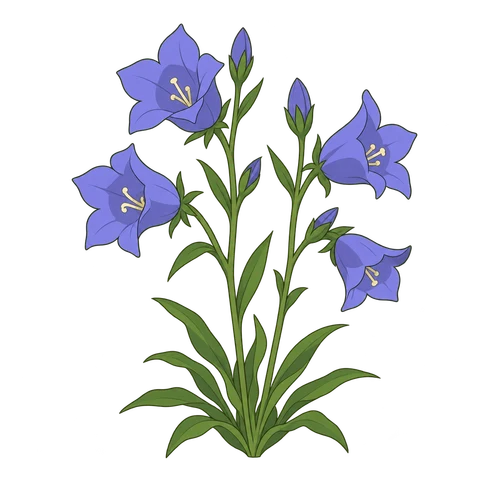
Peach-leaved bellflower
Campanula persicifoliaTravel back to our green beginnings.
Scroll back through 470 million years. Discover the roots of the plants around you.
- Today01 / 06Present day
Your garden has deep roots.
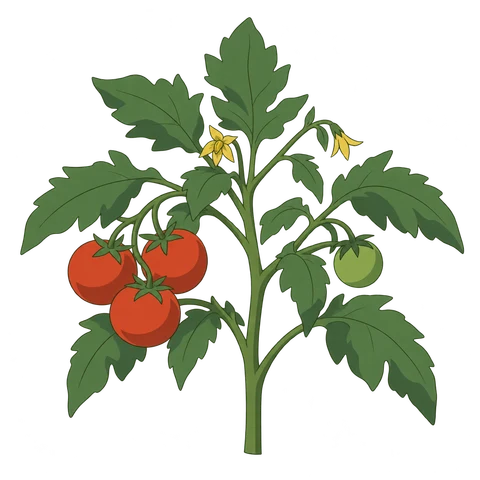
Tomatoes, basil and sunflowers belong to the flowering plants. Their family tree reaches back into the age of dinosaurs.
Living examples · tomato, basil, sunflowerSource · Kew - ≈ 80 million years ago02 / 06Late Cretaceous
The daisy family takes root.
Fossil pollen from Antarctica places the daisy family around 80 million years ago. Sunflowers and daisies are living relatives of this ancient lineage.
Living relatives · sunflower, daisySource · Kew - ≈ 130 million years ago03 / 06Early Cretaceous
A world begins to bloom.
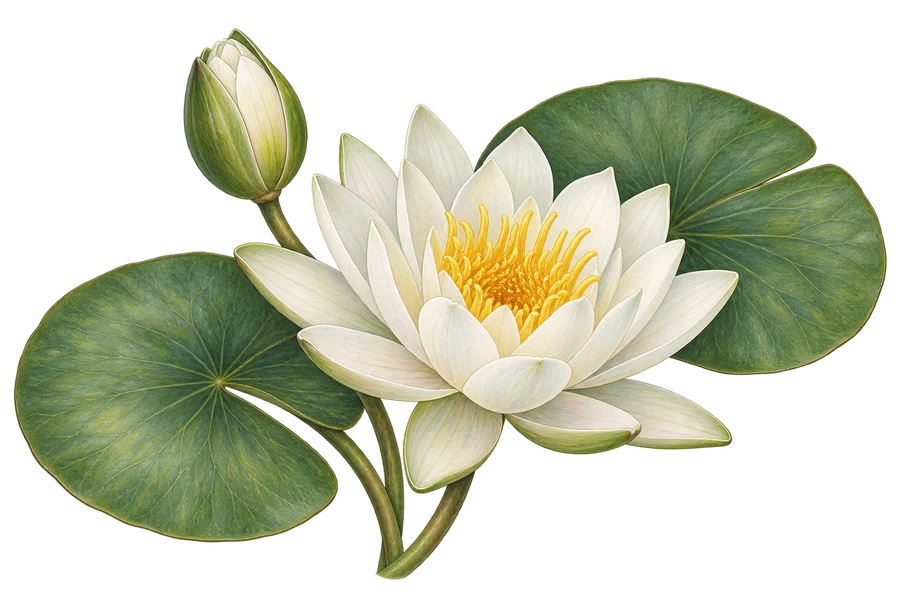
Early flowering plants appear in the fossil record. Flowers and seeds enclosed in fruits open a new chapter; their exact evolutionary origin is still debated.
Early-branching living lineages · water lilies, AmborellaSource · Kew - ≈ 300 million years ago04 / 06Late Carboniferous
Seeds without flowers.
Conifers have a history stretching back more than 300 million years. Their seeds develop without an enclosing fruit, unlike those of flowering plants.
Living relatives · pines, firs, redwoodsSource · Kew - ≈ 360 million years ago05 / 06Early Carboniferous
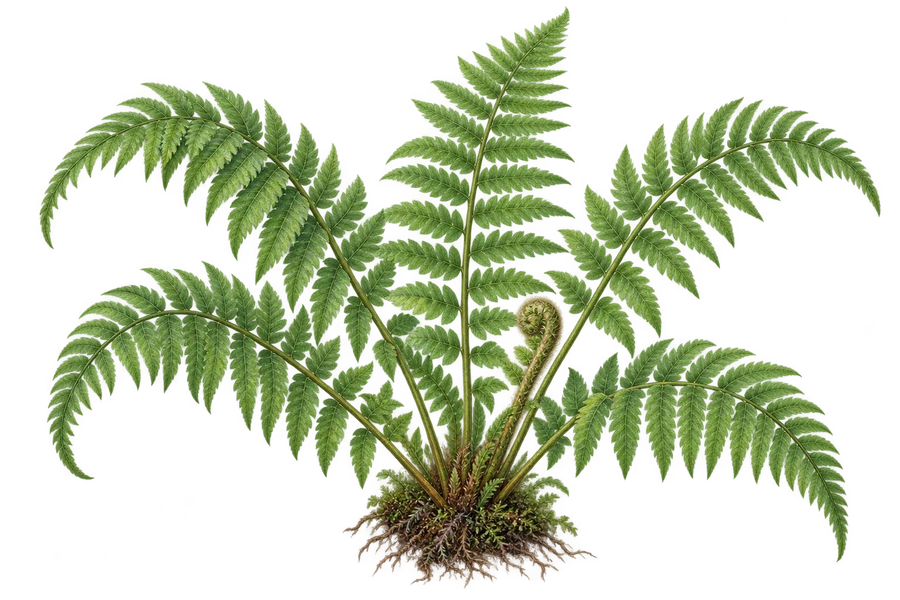
The age of fern fronds.
The lineage of leptosporangiate ferns dates to roughly the start of the Carboniferous. Ferns reproduce by spores; many familiar fern groups diversified much later.
Living relatives · many of today’s familiar fernsSource · Schuettpelz & Pryer · PNAS - ≈ 470 million years ago06 / 06Ordovician
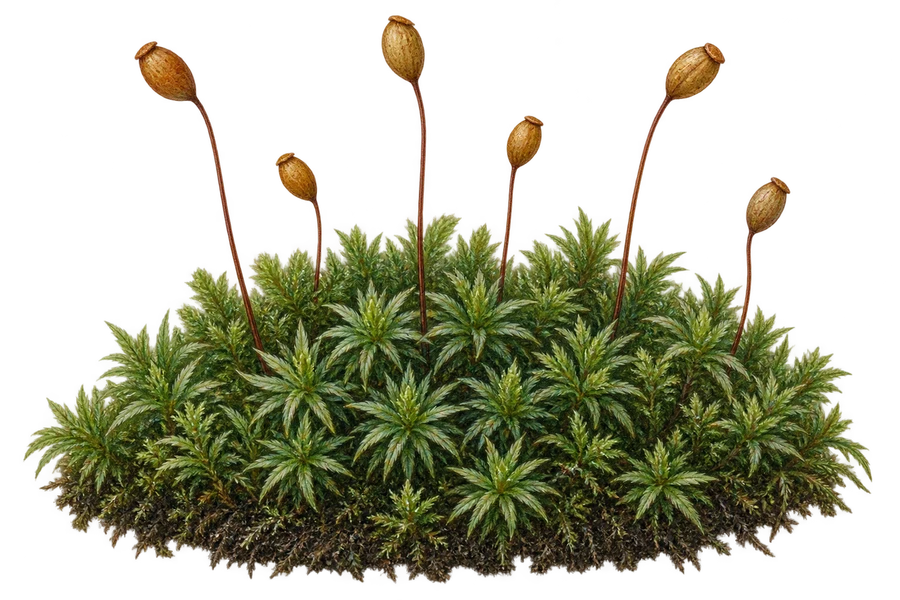
A small step onto land.
Tiny fossil spores provide evidence of early land plants around 470 million years ago. Their exact appearance and relationships remain uncertain; mosses offer a living comparison.
Living comparison · mosses, not the same ancient speciesSource · Natural History Museum
Ma = million years ago. Dates are approximate milestones for lineages or fossils, not the ages of living species. Illustrations show living relatives or simplified forms. The timeline is not to scale.

Redcurrant
Ribes rubrum
Strings of red berries hang beneath lobed leaves on a branching fruit bush.
Make it part of your growing collection.
Help it thrive.
Water according to establishment
Water new bushes during dry spells; container plants need more regular attention.
Keep an open centre
Prune bush forms in the dormant period, preserving a framework of well-spaced branches and fruiting wood.
Mulch without burying stems
Spread organic mulch around the bush, leaving the base of the stems clear.
Growing essentials.
- Sunlight
- 2+ hours of sun (sun or part shade)Source-backed
- Moisture
- Consistently moistSource interpretation
- Soil pH
- Not verifiedExcluded from score
- Drainage
- Not verifiedExcluded from score
- Nutrients
- Not verifiedExcluded from score
- Soil texture
- Not verifiedExcluded from score
- Plant spacing
- ≈ 150 cmPlanning estimate
- Growing depth
- ≈ 50 cmPlanning estimate
- Typical height
- ≈ 150 cmPlanning estimate
- Growing season
- cool-season / warm-seasonPlanning estimate
Source-backed preferences and planning estimates are labelled separately. Missing values are not treated as a match. Spacing and depth still depend on cultivar and growing method.
Data sources & uncertainty
Sun and some shade are described; 2+ hours is a broad category, not a yield guarantee.
Source · checked 2026-09-20Even moisture is advised for containers and watering for establishing bushes. Established ground-grown plants usually need no routine watering.
Source · checked 2026-09-20No precise preferred numeric interval verified; the unused placeholder is excluded from display and scoring.
Source · checked 2026-09-20No sufficiently specific drainage requirement verified; excluded from scoring.
Source · checked 2026-09-20No comparable numeric nutrient requirement verified; excluded from scoring.
Source · checked 2026-09-20No specific soil textures verified; excluded from scoring.
Source · checked 2026-09-20RHS recommends 120–150 cm between bushes; the model reserves 150 cm. Cordon spacings are not used.
Source · checked 2026-09-20Approximate planning allowance, not a verified root depth; cultivar and growing method change the requirement.
Source · checked 2026-09-20Approximate planning height; cultivar, pruning and growth stage change the result.
Source · checked 2026-09-20Broad growth category, not a local planting calendar; excluded from scoring.
Source · checked 2026-09-20